Source Silicone Hand Fidget Sensory Toy for stress relief and focus
Compare 30 listings of Silicone Hand Fidget Sensory Toy options featuring food-grade materials, various hardness levels, and customization services. Buyers can evaluate specifications like dimensions, curing processes, and certifications to find suitable suppliers for bulk orders.
Key considerations
Products List


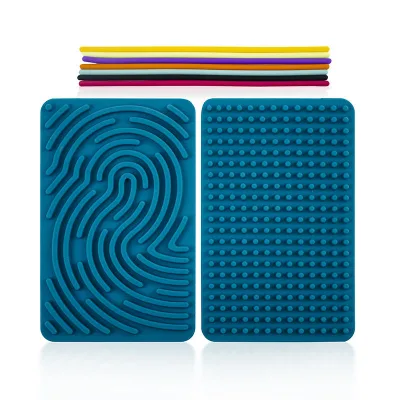
Silicone Sensory Activity Board Decompression Fidget Educational Toys for Children
$1.83 - $2.32
MOQ: 100 Pieces


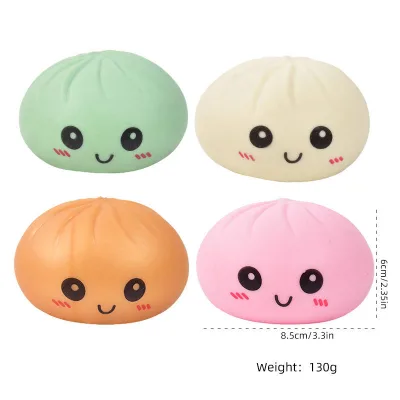

Anti Stress Relief Colorful Silicone Bracelet Anxiety Sensory Silicone Fidget Toy
$0.25 - $0.28
MOQ: 1000 Pieces

3D Sensory Decompression Squeezing Toy Adults Silicone Fidget Toys for Kids
$0.95 - $1.19
MOQ: 1000 Pieces

Custom Printed Stress Reliever Fidget Toy Squeeze Grab Sensory Silicone Hand Grip
$0.72 - $0.78
MOQ: 1000 Pieces

Push Bubble Stress Reliever Sensory Silicone Gift Fidget Spinner Toy Finger Rings
$0.16 - $0.19
MOQ: 1000 Pieces

Comprehensive Sourcing Guide
Strategic Sourcing Guide for Silicone Hand Fidget Sensory Toys
The global market for sensory aids and stress-relief tools has expanded significantly, driven by a growing awareness of mental wellness and the need for tactile stimulation in both educational and therapeutic settings. For procurement professionals seeking silicone hand fidget sensory toys, the sourcing landscape requires a disciplined approach that balances material integrity, regulatory compliance, and supply chain reliability. Unlike generic plastic novelties, silicone-based fidgets demand rigorous verification of food-grade safety, curing processes, and dimensional tolerances to ensure they meet the needs of end-users ranging from toddlers to adults with sensory processing differences. This guide outlines the critical technical, compliance, and operational factors buyers must evaluate when engaging with suppliers in this category.
Material Integrity and Physical Specifications
The foundation of a high-quality fidget toy lies in the raw material composition. The primary material observed in this sector is Food-Grade Silicone, often distinguished from standard rubber by its purity and lack of harmful additives. Buyers must verify that the supplier utilizes Platinum Catalyst or Double 2,4 Vulcanizing Agent for the curing process. These specific curing agents are critical because they ensure the final product is non-toxic and free from the byproducts often associated with tin-cured silicones, which can pose health risks. The physical hardness of the product is a key differentiator; the industry standard for tactile fidgets often falls within a Shore 20~90A range. This variability allows manufacturers to produce items that are either soft and squishy for stress relief or firm and durable for fine motor skill training.
Dimensional consistency is equally vital. The Tolerance for these products is typically specified at ±0.1mm, a tight margin that ensures the bubbles or buttons on the toy pop with the correct resistance. Inconsistent dimensions can lead to a "dead" feel where the tactile feedback is lost, rendering the product ineffective. Furthermore, the Heat Resistance capability is a non-negotiable specification, with many high-grade silicone fidgets requiring High Heat Resistance (>80℃). This property ensures the toy can withstand sterilization processes or accidental exposure to hot environments without deforming. The Weight of individual units, often around 8g, contributes to the portability and the "feel" in the hand, while the Shape (such as Bubble Toy configurations) dictates the specific sensory experience. Buyers should request physical samples to verify that the Hardness and Tolerance match the intended application, as these attributes directly influence user satisfaction.
Compliance, Certification, and Safety Standards
Navigating the regulatory landscape is perhaps the most critical step in sourcing silicone fidget toys, particularly when the target demographic includes children. The product must adhere to stringent safety protocols to be sold in major markets. Key certifications to verify include FDA approval, which confirms the material's suitability for contact with food and skin, and CE marking, indicating compliance with European health, safety, and environmental protection standards. Additionally, ISO certifications (such as ISO 9001 for quality management) and RoHS compliance are essential for ensuring the product is free from restricted hazardous substances.
For products marketed in North America, ASTM and EN71 standards are mandatory. These standards specifically address mechanical safety, ensuring there are No Small Parts that could pose a choking hazard, and that the edges are Smooth to prevent injury. The LFGB Test (German Food and Feed Code) is another high-confidence indicator of safety, often exceeding basic FDA requirements. A specific attribute to look for is the BPA Free claim, which is standard for food-grade silicone but must be explicitly verified through test reports. The Safety profile must also confirm the product is Non-Toxic. When evaluating a supplier, procurement teams should not rely solely on marketing claims; they must request valid, recent test certificates that explicitly list the standards mentioned above. The absence of these documents should be treated as a red flag, regardless of the product's aesthetic appeal.
Technical Manufacturing Processes and Customization
The manufacturing method significantly impacts the final quality and cost of the fidget toy. The dominant process for high-quality silicone fidgets is Compression Molding. This technique involves placing raw silicone material into a heated mold and applying pressure to cure the shape. The 2ND Cure Temperature is a specific parameter to monitor, often set at 200°C, with a 2ND Cure Time of 2~4 H. This secondary curing stage is crucial for removing any residual volatiles and ensuring the material achieves its full physical properties. Buyers should inquire about the supplier's capability to handle OEM/ODM services, as many brands require custom designs, specific colors (Multicolor options are common), or unique shapes to differentiate their products.
Customization extends beyond the physical form. The prod_packing method varies, with options ranging from OPP Bag, Ctns to Carton Box or by Sea bulk shipping. The choice of packaging affects the unit cost and the protection of the goods during transit. For instance, Carton Box packaging is often preferred for retail-ready products, while bulk Ctns are suitable for wholesale distribution. The prod_model codes, such as SBT1042, GYF5005, or YPC-00988, serve as unique identifiers for specific configurations. When discussing customization, buyers must clarify the MOQ (Minimum Order Quantity) implications, as custom molds often require higher volume commitments, typically ranging from 10 to 1000 units depending on the complexity. The Size of the product, whether categorized as Middle, Medium, or specific dimensions like 10.4121.4cm, must align with the ergonomic needs of the target user.
Cost Drivers and Pricing Dynamics
Understanding the cost structure of silicone fidget toys is essential for budgeting and margin analysis. The price range observed in the market spans from 0.16 to 5 USD, a wide spectrum that reflects differences in material grade, complexity of design, and order volume. The lower end of the price range typically corresponds to simpler designs with standard Food-Grade Silicone and minimal customization, often produced in high volumes. Conversely, the higher price points are driven by complex Compression Molding requirements, strict Certification compliance, and specialized Customization features like unique Hardness levels or proprietary shapes.
Several factors influence the final landed cost. The Material cost is a primary driver, with Platinum Catalyst silicone being more expensive than alternative curing methods. The Tolerance requirements also play a role; achieving ±0.1mm precision requires higher-quality molds and more rigorous quality control, which increases production costs. Additionally, the prod_packing method adds to the expense; custom Carton Box printing and individual OPP Bag packaging incur higher labor and material costs compared to bulk packing. The MOQ is another critical cost variable; orders below the supplier's standard threshold often attract a premium per unit. Buyers should also consider the Lead Time, which can be affected by the 2ND Cure Time and the availability of raw materials. While specific lead times vary, the complexity of the Process and the need for Samples (which are often in Stock) can impact the overall timeline.
Typical Applications and Market Segmentation
Silicone hand fidget sensory toys serve a diverse range of applications, extending beyond simple stress relief. The Usage categories identified include Suckle, Drinking, Eating, and Nursing Bottle Sterilizer environments, indicating that the material must be safe for oral contact. However, the primary market segment is the Stress Relief Toy category, designed for adults and children seeking tactile stimulation. The Age range for these products is broad, often spanning 3-36 months for children and 2 to 4 Years for specific educational toys, though they are also widely used by adults for anxiety management.
The Type of product can vary from standard Pacifier shapes to specialized Agility Training Products for pets, such as Dogs, which require different durability standards. For human use, the Shape often mimics Bubble Toy configurations, allowing users to press and pop individual bubbles. The Cleaning Method is another consideration; while some products are Machine Wash safe, others require Hand Wash or specific protocols like Do Not Wash to preserve the tactile properties. The Features list, including BPA Free and Non-Toxic attributes, makes these products suitable for schools, therapy centers, and healthcare facilities. Understanding the specific Suitable for demographic is crucial, as a toy designed for a dog's agility training will have different safety and durability requirements than a Silicone Fidget Toy intended for a classroom setting.
Supplier Evaluation and Quality Control Protocols
Selecting the right supplier requires a multi-faceted evaluation strategy. Buyers should prioritize suppliers who demonstrate transparency in their prod_origin, which is frequently China, and who can provide verifiable documentation for their Certification claims. The OEM/ODM capability is a strong indicator of a supplier's flexibility and technical competence. When evaluating a potential partner, request detailed information on their Process controls, specifically how they manage the 2ND Cure Temperature and Time to ensure consistency.
Quality control should be integrated into the procurement process from the outset. Buyers must verify the Tolerance of the first article samples against the specified ±0.1mm standard. The Hardness should be tested using a Shore A durometer to ensure it falls within the 20~90A range. For compliance, a third-party audit of the LFGB Test and ASTM/EN71 results is recommended. The prod_packing method should be inspected to ensure it protects the product during shipping, especially for Carton Box shipments. The Samples availability is a practical indicator of a supplier's readiness; in Stock samples allow for immediate testing and validation. Finally, the Mini Order support capability is valuable for buyers testing the market, as it allows for smaller initial commitments before scaling up to larger volumes.
Long-Term Procurement Considerations
Sourcing silicone fidget toys is not a one-time transaction but a long-term partnership that requires ongoing management. The Standard of the product, often defined by specific prod_standard codes like small size or 70MM, must remain consistent across production runs. Any deviation in the Material or Process can lead to quality issues that damage the buyer's brand reputation. Buyers should establish clear communication channels for addressing Customization requests and ensuring that the OEM/ODM specifications are met.
Sustainability is an emerging consideration, with some products claiming to be Biodegradable, although this attribute requires careful verification as true biodegradability in silicone is complex. The Location of the supplier, typically China, necessitates a robust logistics strategy to manage Lead Times and prod_packing efficiency. Buyers should also monitor the MOQ trends, as suppliers may adjust these thresholds based on raw material costs and demand fluctuations. By maintaining a focus on Safety, Certification, and Technical Specifications, procurement professionals can build a resilient supply chain that delivers high-quality silicone fidget sensory toys to the market.
FAQs
What certifications do silicone hand fidget sensory toys typically have?
These toys often carry FDA, CE, ISO, RoHS, ASTM, and EN71 certifications. Buyers must verify specific test reports to confirm compliance with safety standards like LFGB and BPA-free claims for food-grade materials.
How is the material hardness specified for these sensory toys?
The hardness typically ranges from Shore 20 to 90A depending on the desired tactile feel. This specification ensures the product provides the correct resistance for stress relief or fine motor skill training applications.
Can suppliers provide customization for these silicone fidget toys?
Yes, OEM and ODM customization services are available for many manufacturers. Buyers can request specific shapes, colors, or dimensions while noting that custom molds may require a higher minimum order quantity.
What is the standard tolerance for silicone fidget toy dimensions?
The industry standard tolerance is typically plus or minus 0.1mm to ensure consistent tactile feedback. This precision is critical for maintaining the correct popping resistance in bubble toy configurations.
Which curing process is used for high-quality silicone fidgets?
Compression molding with Platinum Catalyst or Double 2,4 Vulcanizing Agent is the standard process. A secondary cure at 200°C for 2 to 4 hours ensures the material is fully cured and non-toxic.
What is the typical price range for silicone hand fidget sensory toys?
The observed price range spans from 0.16 to 5 USD per unit. Costs vary based on material grade, design complexity, certification requirements, and the specific minimum order quantity placed by the buyer.
How should these toys be cleaned and maintained?
Cleaning methods vary by product but often include hand washing or machine washing options. Some specific items may require do not wash protocols to preserve their tactile properties and structural integrity.